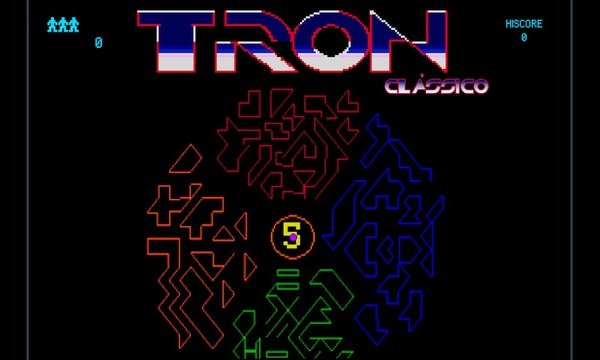
Step into the pixelated grid, a digital realm where light cycles leave glowing trails and tanks clash in futuristic arenas. The Tron arcade game, released in 1982, isn't just a classic; it's a cultural phenomenon that transcended the silver screen to etch its unique vector graphics into the hearts of arcade enthusiasts worldwide. Born from the groundbreaking Disney film, this coin-op marvel captivated players with its innovative gameplay, distinctive art style, and a sense of immersion rarely found in arcades of its era.
More than just a tie-in, the Tron arcade game by Bally Midway pushed technological and design boundaries, becoming an iconic piece of gaming history. It offered a glimpse into a digital world that felt both alien and exhilarating, cementing its status as a masterpiece of early 80s arcade design. Join us as we journey through the intricate circuits and enduring appeal of this legendary game, exploring every facet from its inception to its modern-day resurrection.
The Genesis of a Digital Masterpiece: From Film to Arcade Cabinet
The story of the Tron arcade game is intrinsically linked to the visionary 1982 Disney film that inspired it. Disney, recognizing the potential for a synergistic experience, commissioned Bally Midway to create an arcade game that would translate the movie's revolutionary digital aesthetic into interactive entertainment. The result was a game that not only complemented the film but stood proudly on its own as an innovative and challenging experience.
The development process involved complex technological challenges, especially in recreating the film's signature vector graphics and digital environments. Bally Midway’s engineers and designers worked tirelessly to capture the essence of the Grid, resulting in a cabinet that was as striking as the game itself. If you're fascinated by how this digital dream came to life, you'll want to Explore Tron Arcades history to uncover the full story behind its creation.
Navigating the Grid: Mastering Tron Arcade Gameplay
What set the Tron arcade game apart was its unique multi-game structure, challenging players across four distinct mini-games, each a direct reference to iconic scenes from the movie. From the high-speed thrill of Light Cycles, where players strategize to trap opponents with glowing walls, to the strategic combat of Tanks, the game demanded a diverse set of skills. Players also faced the formidable challenge of the MCP Cone, dodging the relentless attacks of the Master Control Program, and the delicate precision required in the I/O Tower to destroy the Grid Bug.
The game's control scheme, featuring a unique joystick with a trigger button and a spinner, was innovative for its time, offering precise control over each sub-game. Success in Tron wasn't just about quick reflexes; it required adaptability, spatial awareness, and strategic thinking. To truly dominate the digital landscape, it's essential to understand the nuances of each challenge. Ready to enhance your digital warrior skills? You can Master Tron Arcade gameplay with in-depth guides and tips.
The Evolution of Tron: Versions, Ports, and Related Experiences
The impact of the original Tron arcade game extended far beyond its initial release. Its success spawned various adaptations and inspired future games that continued the legacy of the digital world. While the original arcade cabinet remains the gold standard for many enthusiasts, the game saw numerous ports to home consoles and personal computers, each attempting to capture the magic within the limitations of different hardware.
From early Atari ports to later re-imaginings and spiritual successors, the Tron universe has continued to expand. There have been other arcade games, like Discs of Tron, which focused on a single element of the experience, and even modern games inspired by its aesthetic. Dive deeper into how the Tron game evolved across different platforms and its lasting influence by choosing to Explore Tron versions, ports, and more.
Returning to the Grid: Modern Ways to Play Tron Arcade
For many, the allure of Tron isn't confined to memory. Thanks to advancements in technology, the thrill of playing this classic arcade game is more accessible than ever before. Whether you crave the authentic feel of an original cabinet or prefer the convenience of modern setups, there are numerous legitimate ways to experience Tron today.
Emulation platforms have made it possible to accurately recreate the arcade experience on home computers and dedicated retro gaming systems. Furthermore, modern re-releases and compilations often include the original Tron, sometimes with enhanced features or quality-of-life improvements. You no longer need a fistful of quarters to enter the Grid; discover all the convenient and authentic ways to play by finding out How to play Tron Arcade Modern.
The Collector's Quest: Preserving Tron Arcade Cabinets
For the ultimate enthusiast, nothing beats the tangible presence of an original Tron arcade cabinet. These machines are not just games; they are pieces of gaming history, embodying the artistry and engineering of a bygone era. Collecting and restoring these iconic cabinets has become a passionate hobby, offering a profound connection to gaming's past.
From hunting down rare cabinet variations to painstakingly restoring internal components and external artwork, the journey of an arcade collector is one of dedication and craftsmanship. Preserving these machines ensures that future generations can experience Tron as it was originally intended. If the idea of owning a piece of the Grid excites you, let us be your companion in the pursuit. Begin your deep dive into the world of arcade preservation and acquisition with Your guide to Tron arcade cabinets.
The Legacy Continues
The Tron arcade game stands as a testament to the power of imagination and technological innovation in entertainment. Its enduring legacy is a vibrant reminder of a golden age of arcades, continuing to inspire designers and captivate players decades later. As technology evolves, so too do the ways we interact with and appreciate these digital pioneers. The Grid, in its various forms, remains an open invitation—a world waiting to be explored, mastered, and cherished by new generations of programs and users alike.